What is Mata uang and how does it work?
Take a closer look at everything you'll need to know about Mata uang trading, including what it is, how you trade it and how leverage in Mata uang trading works. Interested in CFD trading with us?

-
20
Uninterrupted CFD trading
-
1950
Maximum dynamic leverage
-
0
Minimum raw spreads
-
0
Commission on variable spreads
Mata uang
Understanding the Basics of CFD Trading
1. What is Mata uang?
Mata uang, or foreign exchange, refers to the process of converting one Mata uang into another for various purposes such as commerce, trading, or tourism. The Mata uang market operates 24 hours a day, five days a week, and includes all aspects of buying, selling, and exchanging currencies at current or determined prices.
"The foreign exchange market is the backbone of international trade and investment, facilitating transactions worth trillions of dollars each day."
John Taylor,
Economist and Mata uang Market Analyst
2. How Does CFD Trading Work?
CFD trading involves speculating on the price movements of Mata uang pairs. Traders aim to profit by buying a Mata uang when its value is low and selling it when its value increases. The market operates through a global network of banks, financial institutions, and individual traders, connected via electronic communication networks (ECNs).
Consider the Mata uang pair EUR/USD. If a trader believes the Euro will strengthen against the US Dollar, they might buy EUR/USD at a certain rate. If the Euro's value rises as anticipated, the trader can sell the pair at a higher rate, realizing a profit from the difference.
Key Concepts in Mata uang Trading
Understanding specific terminologies and concepts is crucial for successful Mata uang trading. Let's explore some of these fundamental elements.
1. What is a Pip in Mata uang?
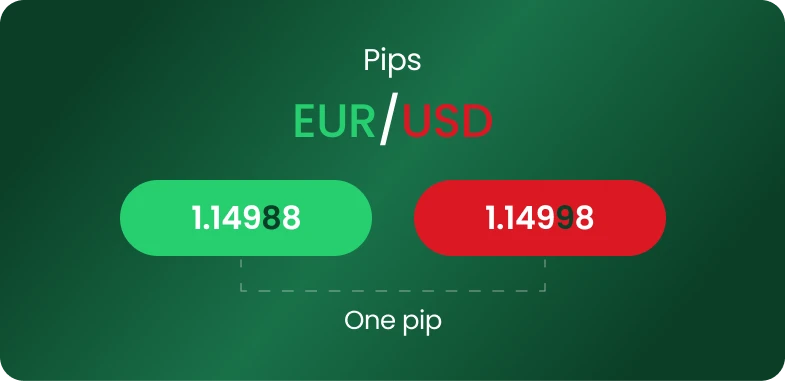
A pip (Percentage in Point) is the smallest price movement in a Mata uang pair's exchange rate. For most major Mata uang pairs, one pip equals 0.0001. Pips are essential for calculating profits and losses in Mata uang trading.
If the EUR/USD exchange rate moves from 1.2000 to 1.2005, it has moved 5 pips. If a trader bought one lot (we'll discuss lots next) at 1.2000 and sold at 1.2005, they'd profit from this 5-pip movemen.
2. What is a Lot in Mata uang?
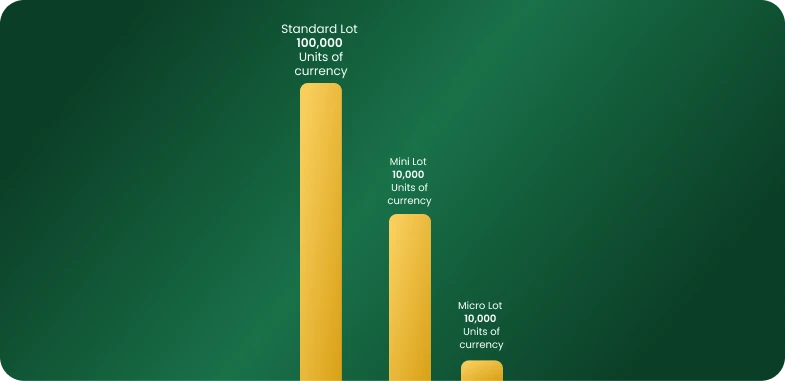
A lot represents a standardized quantity of Mata uang units in Mata uang trading. There are typically three sizes:
If the EUR/USD exchange rate moves from 1.2000 to 1.2005, it has moved 5 pips. If a trader bought one lot (we'll discuss lots next) at 1.2000 and sold at 1.2005, they'd profit from this 5-pip movemen.
| Standard Lot | 100,000 units |
|---|---|
| Mini Lot | 10,000 units |
| Micro Lot | 1,000 units |
The choice of lot size affects the value per pip movement and aligns with the trader's risk tolerance and account size.
Using a standard lot, each pip movement is worth $10. So, a 5-pip gain results in a $50 profit. With a micro lot, each pip is worth $0.10, leading to a $0.50 profit for the same movement.
3. What is Leverage in Mata uang?
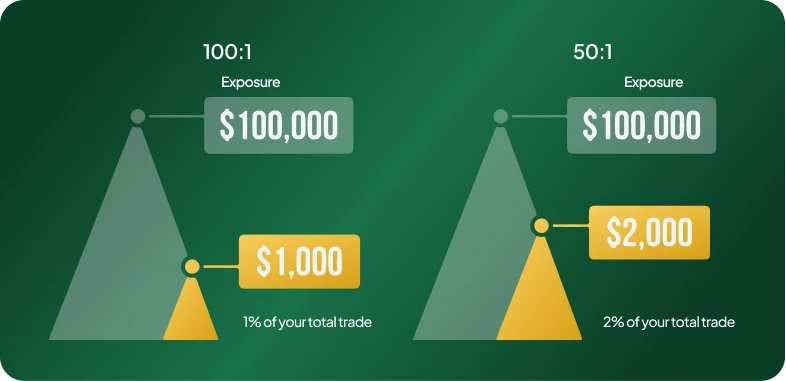
Leverage allows traders to control large positions with relatively small amounts of capital. It is expressed as a ratio, such as 100:1, meaning you can control $100 in the market for every $1 in your account.
"Leverage is a powerful tool in Mata uang trading that can amplify profits, but it's a double-edged sword that can also magnify losses if not managed properly."
Sarah Mitchell,
Senior Mata uang Strategist
With a leverage of 100:1, a trader can open a position worth $100,000 with just $1,000 of their own funds. A 1% favorable movement results in a $1,000 profit, doubling the initial investment. Conversely, a 1% adverse movement leads to a $1,000 loss.
4. What is Margin in Mata uang?
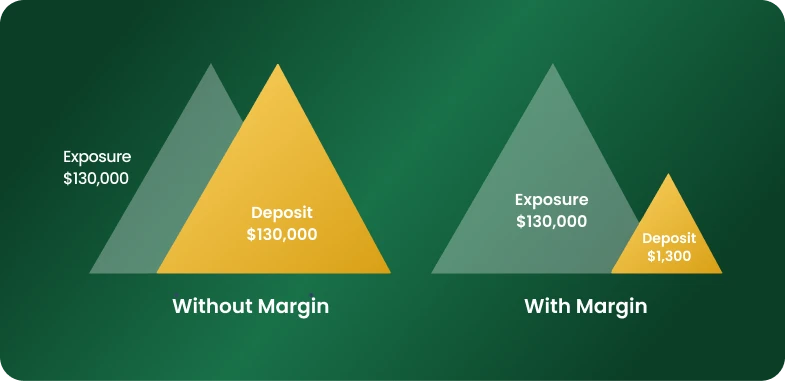
Margin is the amount of money required to open and maintain a leveraged position. It acts as a security deposit to cover potential losses.
If a trader wants to open a $100,000 position with 100:1 leverage, the required margin would be $1,000. If the market moves unfavorably and the account equity falls below the required margin level, the broker may issue a margin call, requesting additional funds or closing positions to limit losses.
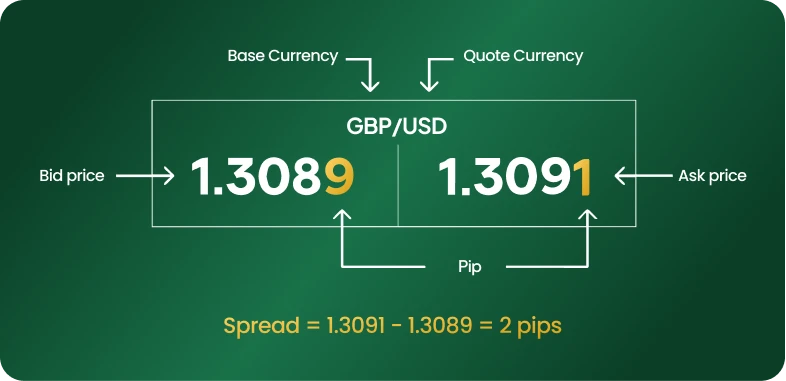
5. What is the Spread in Mata uang Trading?
The spread is the difference between the bid (selling) and ask (buying) price of a Mata uang pair. It represents the broker's commission for facilitating the trade.
Statistics:
- The average spreads for major Mata uang pairs like EUR/USD in the World range from 0.8 to 2 pips, depending on the broker and market conditions.
- Lower spreads are generally favorable for traders, reducing the cost of entering and exiting positions.
If the EUR/USD bid price is 1.2000 and the ask price is 1.2002, the spread is 2 pips. A trader buying at the ask price would need the price to increase by more than 2 pips to realize a profit.
Methods of Mata uang Trading
1. Spot Mata uang Trading
Spot trading involves buying and selling currencies at their current market price. Transactions are settled immediately, or "on the spot."
A trader buys GBP/USD at the current rate, anticipating that the British Pound will strengthen against the US Dollar in the short term. The position is closed when the desired profit level is reached.
2. What is CFD Trading in Mata uang?
CFD (Contract for Difference) trading allows traders to speculate on the price movements of Mata uang pairs without owning the underlying asset. Traders enter into a contract with a broker to exchange the difference in the Mata uang pair's price from when the position is opened to when it is closed.
"CFD trading provides flexibility and access to a wide range of markets, making it a popular choice among modern Mata uang traders."
David Lin,
Financial Markets Expert
Advantages of CFD Trading:
- Leverage: CFD offer higher leverage than traditional trading, increasing potential returns.
- Diverse Markets: Traders can access various markets beyond Mata uang, including commodities, indices, and stocks.
- Short Selling: CFD allow traders to profit from both rising and falling markets.
A trader believes the USD/JPY pair will decrease in value. They open a CFD position to sell USD/JPY. If the price drops as anticipated, the trader profits from the difference.
Mata uang Trading in the World
The world has emerged as a significant hub for Mata uang trading, attracting both local and international investors.

1. Regulatory Environment
The Securities and Komoditas Authority (SCA) regulates Mata uang trading in the world, ensuring transparency and protecting investors from fraudulent activities.
Statistics:
- The world Mata uang market has seen a steady annual growth rate of approximately 7% over the past five years.
- Dubai hosts numerous Mata uang expos and conferences, reflecting the market's prominence in the region.
A resident in Dubai interested in Mata uang trading would choose a broker licensed by the SCA, ensuring compliance with local regulations and access to customer protection mechanisms.
2. Cultural and Economic Factors
The world's strong economy, strategic location, and favorable tax policies make it an attractive destination for Mata uang traders. The diverse expatriate population also contributes to the market's vibrancy.
"The world offers a conducive environment for Mata uang trading, combining robust regulatory frameworks with advanced financial infrastructure."
Aisha Khan,
Middle East Financial Analyst
Practical Steps to Start Mata uang Trading
1. Education and Research
Before diving into Mata uang trading, it's essential to educate oneself thoroughly.
Tips:
- Online Courses: Enroll in reputable Mata uang trading courses to understand market dynamics.
- Books and Articles: Read extensively on trading strategies, market analysis, and risk management.
- Demo Accounts: Practice trading with virtual money to gain experience without financial risk.
2. What are the Benefits of Using a Demo Account for Mata uang Trading?
Using a demo account is one of the most effective ways to prepare for live Mata uang trading. It allows traders to practice trading strategies and become familiar with the trading platform without risking real money.
Benefits:
- Risk-Free Learning: Enroll in reputable Mata uang trading courses to understand market dynamics.Traders can experiment with different strategies without the fear of losing money
- Platform Familiarization: A demo account helps users get comfortable with the trading platform’s features and tools.
- Performance Tracking: Traders can track their performance over time, identifying strengths and areas for improvement before transitioning to a live account.
A new trader uses a demo account to test a trend-following strategy. Over several months, they refine the strategy, gaining confidence and improving their skills before committing real capital.
3. Choosing a Reliable Broker
Selecting the right broker is critical for a smooth trading experience.
Considerations:
- Regulasi: Ensure the broker is regulated by recognized authorities like the SCA in the World.
- Spreads and Fees: Compare spreads, commissions, and other fees across different brokers.
- Trading Platforms: Look for user-friendly platforms offering advanced tools and resources.
- Customer Support: Reliable and responsive customer service is essential for addressing issues promptly.
4. Developing a Trading Strategy
A well-defined trading strategy guides decision-making and helps manage risks effectively.
Components:
- Market Analysis: Utilize technical and fundamental analysis to identify trading opportunities.
- Risk Management: Set clear rules for stop-loss and take-profit levels to protect capital.
- Consistency: Stick to the strategy and avoid emotional trading decisions.
A new trader uses a demo account to test a trend-following strategy. Over several months, they refine the strategy, gaining confidence and improving their skills before committing real capital.A trader employs a trend-following strategy, analyzing moving averages and support/resistance levels to enter and exit trades systematically.
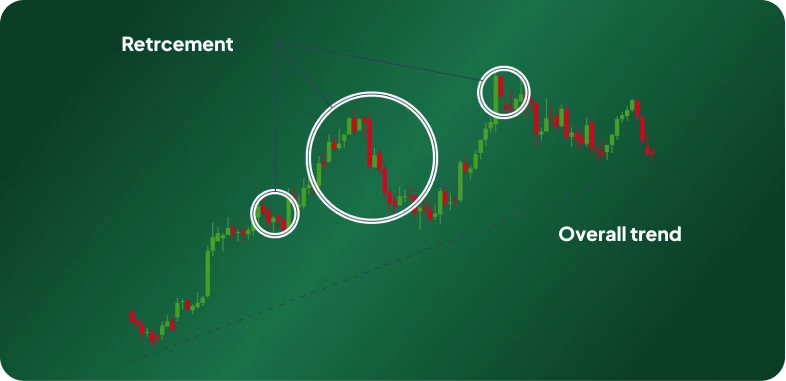
5. Monitoring and Adjusting Trades
Active monitoring of open positions allows traders to respond to market changes promptly.
Tips:
- Economic Calendars: Keep track of economic events and news releases that may impact Mata uang prices.
- Performance Review: Regularly assess trading outcomes to identify strengths and areas for improvement.
- Adaptability: Be prepared to adjust strategies in response to evolving market conditions.
What are the Risks of Mata uang Trading?
While Mata uang trading offers lucrative opportunities, it also involves significant risks that traders must manage carefully.
1. Market Volatility
Mata uang markets can be highly volatile, leading to rapid and unexpected price movements.
According to a study by the Bank for International Settlements, sudden market shifts account for approximately 25% of Mata uang trading losses.
Mitigation Strategies:
- Diversification: Spread investments across different Mata uang pairs and asset classes.
- Proper Leverage Usage: Regular Use leverage cautiously to avoid magnified losses.
- Stop-Loss Orders: Implement stop-loss orders to limit potential losses.
2. Psychological Factors
Emotions like fear and greed can negatively influence trading decisions.

Tips:
- Set Realistic Goals: Establish achievable profit targets and risk parameters.
- Maintain Discipline: Follow the trading plan meticulously and avoid impulsive decisions.
- Continuous Learning: Learn from both successes and failures to improve over time.
The Future of Mata uang Trading
Technological advancements and evolving financial landscapes continue to shape the future of Mata uang trading.
1. Technological Innovations
Developments:
- Artificial Intelligence (AI): AI-powered trading algorithms enhance market analysis and execution efficiency.
- Mobile Trading: Increased accessibility through mobile platforms allows traders to manage positions on the go.
- Blockchain Technology: Potential integration of blockchain may improve transaction transparency and security.
The use of AI in Mata uang trading is projected to grow by 15% annually over the next decade.
2. Global Economic Trends
Emerging economies and shifting geopolitical dynamics influence Mata uang markets significantly.
Considerations:
- Economic Policies: Changes in monetary policies and trade agreements impact Mata uang valuations.
- Pandemic Recovery: Global recovery efforts from events like the COVID-19 pandemic affect market stability and opportunities.
- Sustainability Initiatives: Growing emphasis on sustainable finance may lead to new trading instruments and considerations.
Conclusion
Mata uang trading offers immense potential for profit and financial growth, provided traders understand and navigate the market's complexities effectively. By comprehensively grasping concepts like pips, lots, leverage, margin, and spreads, and utilizing tools such as CFD trading, individuals can participate in this dynamic market with confidence.
As the global financial landscape continues to evolve, staying informed and adaptable remains crucial for sustained success in Mata uang trading. Continuous learning, disciplined strategy implementation, and effective risk management are the cornerstones of thriving in the world's largest financial market.
References:
- Bank for International Settlements (BIS) Triennial Central Bank Survey, 2019
- Securities and Komoditas Authority (SCA) World Reports
- Compare Mata uang Brokers Statistics link
- "Mata uang Trading Strategies" by James Stuart
- "The Psychology of Trading" by Brett N. Steenbarger
